
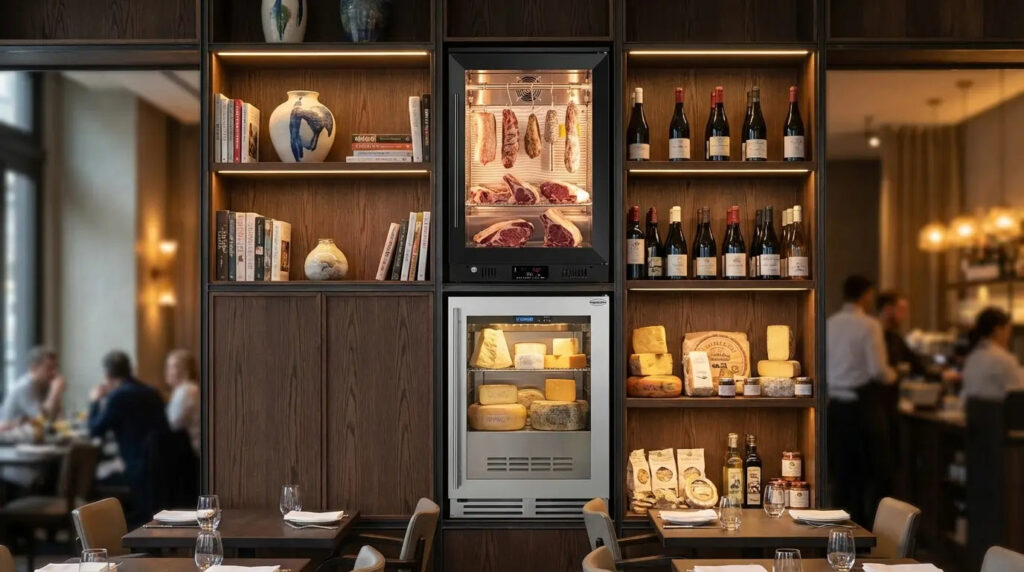
A cantina di stagionatura professionale non serve semplicemente per conservare. Permette di controllare un ambiente di vita in cui temperatura, umidità e circolazione dell’aria influenzano direttamente la consistenza, gli aromi e la regolarità del risultato finale. Questo è ciò che fa la differenza tra la classica cella frigorifera e il vero lavoro di raffinazione.
Per i formaggi come per i salumi, la giusta attrezzatura deve quindi garantire precisione. Una cantina poco adattata può asciugarsi troppo velocemente, favorire derive di umidità o complicare inutilmente il monitoraggio del prodotto.
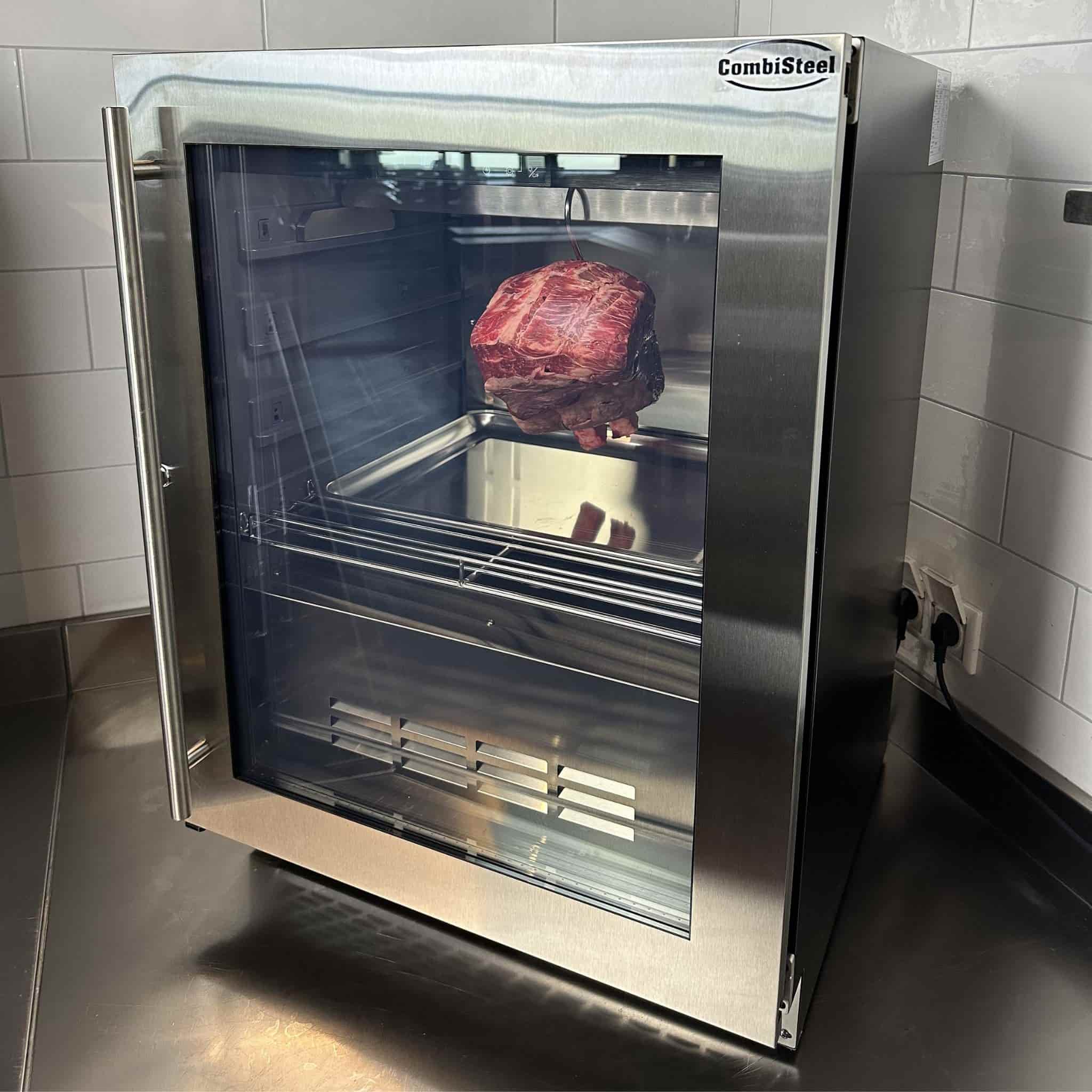
Cantina di affinamento & Stagionatura versatile: formaggi, salumi, carne (127 L)
- Ottima scelta per lavorare su diverse famiglie di prodotti in un formato compatto
- Interessante se stai cercando una cantina flessibile e più facile da integrare
- Buona base per ristorante, caseificio o laboratorio artigianale
Perché una cantina di stagionatura è diversa da un semplice frigorifero?
Perché un frigorifero conserva, mentre una cantina di stagionatura supporta lo sviluppo del prodotto. L’obiettivo non è solo mantenere fresco, ma mantenere un ambiente coerente nel tempo.
- La temperatura deve rimanere stabile e adeguata al prodotto in lavorazione.
- Igrometria deve evitare sia un’eccessiva essiccazione che derive di umidità.
- La ventilazione deve rimanere controllata per non danneggiare i prodotti.
È questa combinazione che permette di guadagnare in regolarità e qualità di affinamento.
Quali criteri contano davvero per formaggi e salumi?
Il punto chiave rimane la capacità della cantina di gestire correttamente l’umidità. Su questi prodotti, la scarsa umidità crea rapidamente difetti di consistenza, crosta o essiccazione.
| Criterio | Perché è importante |
|---|---|
| Temperatura stabile | Per evitare derive di maturazione |
| Umidità controllata | Per evitare che i prodotti secchino o si danneggino |
| Ventilazione morbida | Per omogeneizzare senza brutalizzare la raffinazione |
| Filtrazione/aria pulita | Per limitare determinate contaminazioni o odori parassiti |
| Facilità di pulizia | Per restare coerenti con la logica HACCP |
Verdetto: la scelta giusta non dipende dal numero di litri. Una cantina ben regolabile e ben controllata sarà spesso più importante di un volume grande e mal gestito.
Possiamo usare la stessa cantina per formaggi e salumi?
Sì, in alcuni casi, soprattutto con una cantina multiuso. Ma dipende dai tuoi prodotti, dalle tue impostazioni e dalle tue esigenze di separazione.
Se i requisiti di umidità e temperatura rimangono vicini, una cantina multiuso può funzionare. D’altra parte, non appena i profili diventano troppo diversi o aumenta il rischio di trasferimento di odori, è necessario prestare maggiore attenzione.
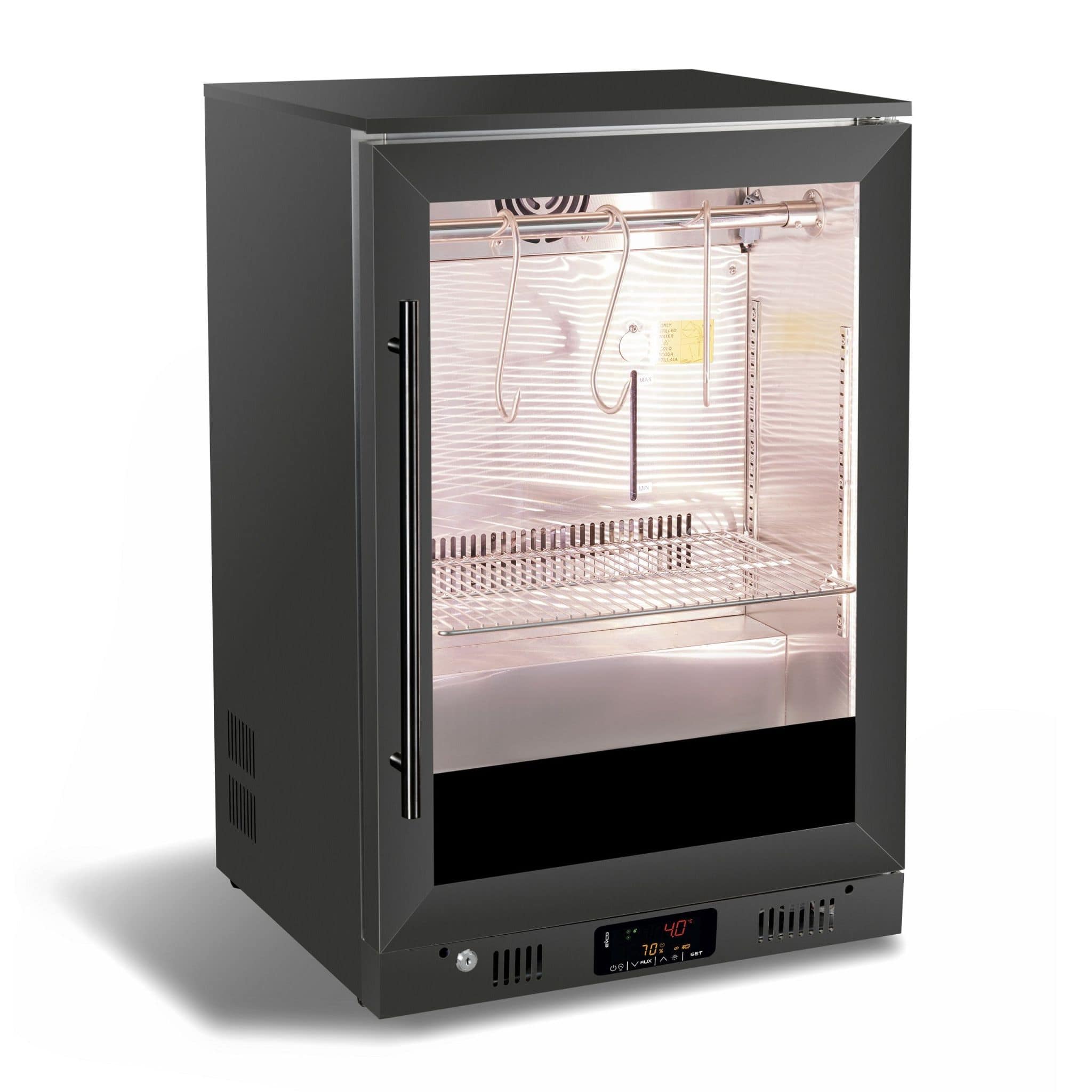
Cantina di maturazione per carne stagionata a secco – Con pietra di sale – 138 L
- Più coerente per una logica di maturazione visiva e più premium
- Buona soluzione se stai cercando un rendering di fascia alta e un controllo più specializzato
- Interessante anche come punto di confronto per universi prossimi alla raffinazione
Perché l’igiene rimane centrale in una cantina di stagionatura?
Perché un prodotto vivo resta anche un prodotto sensibile. Lavorare con l’umidità e il tempo non esenta da una seria disciplina sanitaria, anzi.
Mensole, pareti, zone di condensa e superfici di contatto devono seguire una rigorosa logica di pulizia. Se stai confrontando anche altre apparecchiature per il controllo termico, puoi consultare il nostro articolo sulle cantine di maturazione a secco così come la nostra guida su l’utilità di una cella di raffreddamento rapido in una logica HACCP.
Hai bisogno di una cantina compatibile con il tuo lavoro di stagionatura?
Confronta le nostre cantine di maturazione e affinamento per scegliere il formato giusto in base ai tuoi prodotti, ai tuoi volumi e al tuo livello di esigenze.
FAQ
Possiamo stagionare formaggi e salumi nella stessa cantina?
Sì, se le impostazioni necessarie rimangono compatibili e se si ha un buon controllo sul rischio di trasferimento di odori.
A quale temperatura dovresti puntare per il formaggio?
Spesso intorno ad un intervallo di maturazione temperato, con un ambiente stabile coerente con il tipo di formaggio in lavorazione.
Perché l’umidità è così importante?
Perché influisce direttamente sull’essiccazione, sulla crosta, sulla consistenza e sulla regolarità del risultato finale.
Una cantina di stagionatura può sostituire un classico frigorifero?
No, perché il suo ruolo non è solo quello di conservare, ma di gestire un ambiente di maturazione o di affinamento.