
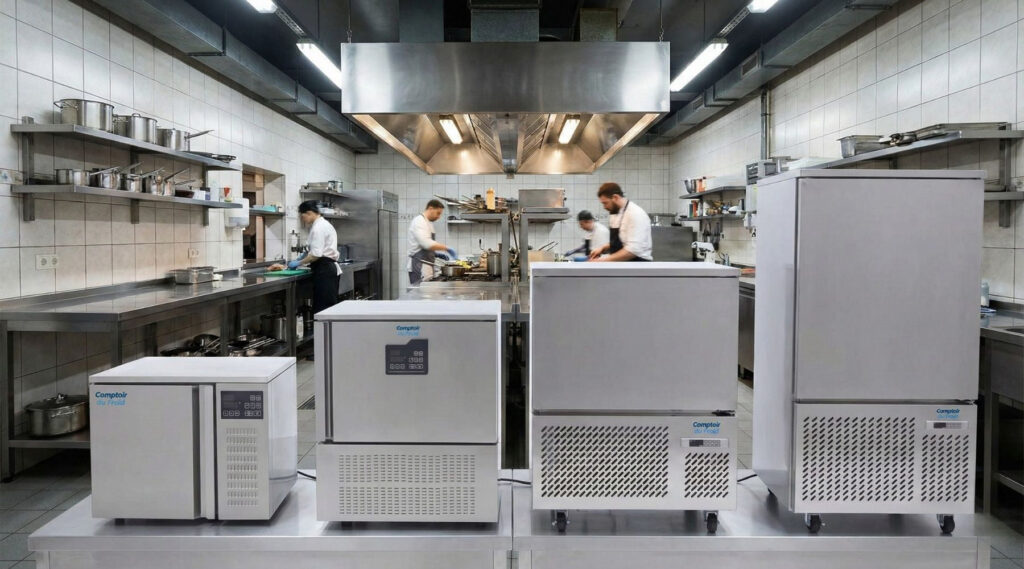
Nella ristorazione non sempre è necessaria la cella di raffreddamento in quanto apparecchiatura denominata in bianco e nero . D’altronde il raffreddamento rapido di alimenti caldi è proprio un obbligo sanitario, e in pratica una cella diventa presto indispensabile per ottemperare ai requisiti HACCP senza correre alcun rischio.
In altre parole: la legge ti chiede un risultato misurabile, non solo una buona intenzione. Se produci piatti in anticipo, preparazioni delicate o di volume, diventa molto difficile rimanere a norma senza vere e proprie apparecchiature di abbattimento.
La cella di raffreddamento è obbligatoria per legge?
La risposta più precisa è: non esplicitamente come macchina nominata, ma quasi sì nella pratica. Il quadro normativo richiede che il raffreddamento dei prodotti alimentari sia rapido e controllato, con una vera logica di sicurezza sanitaria (decreto del 21 dicembre 2009).
Il punto chiave è l’obbligo di abbassare la temperatura al cuore di un prodotto caldo entro un intervallo di tempo compatibile con i requisiti HACCP. In una cucina professionale, cercare di ottenere questo risultato con una semplice cella frigorifera o un classico frigorifero è raramente difendibile, soprattutto appena i volumi aumentano.
- La legge impone un obbligo di risultato, non una marca o un modello specifico.
- Il classico frigorifero non basta per raffreddare velocemente senza disturbare il resto dello stoccaggio.
- Più la produzione è regolare, più la cella diventa una necessità operativa.
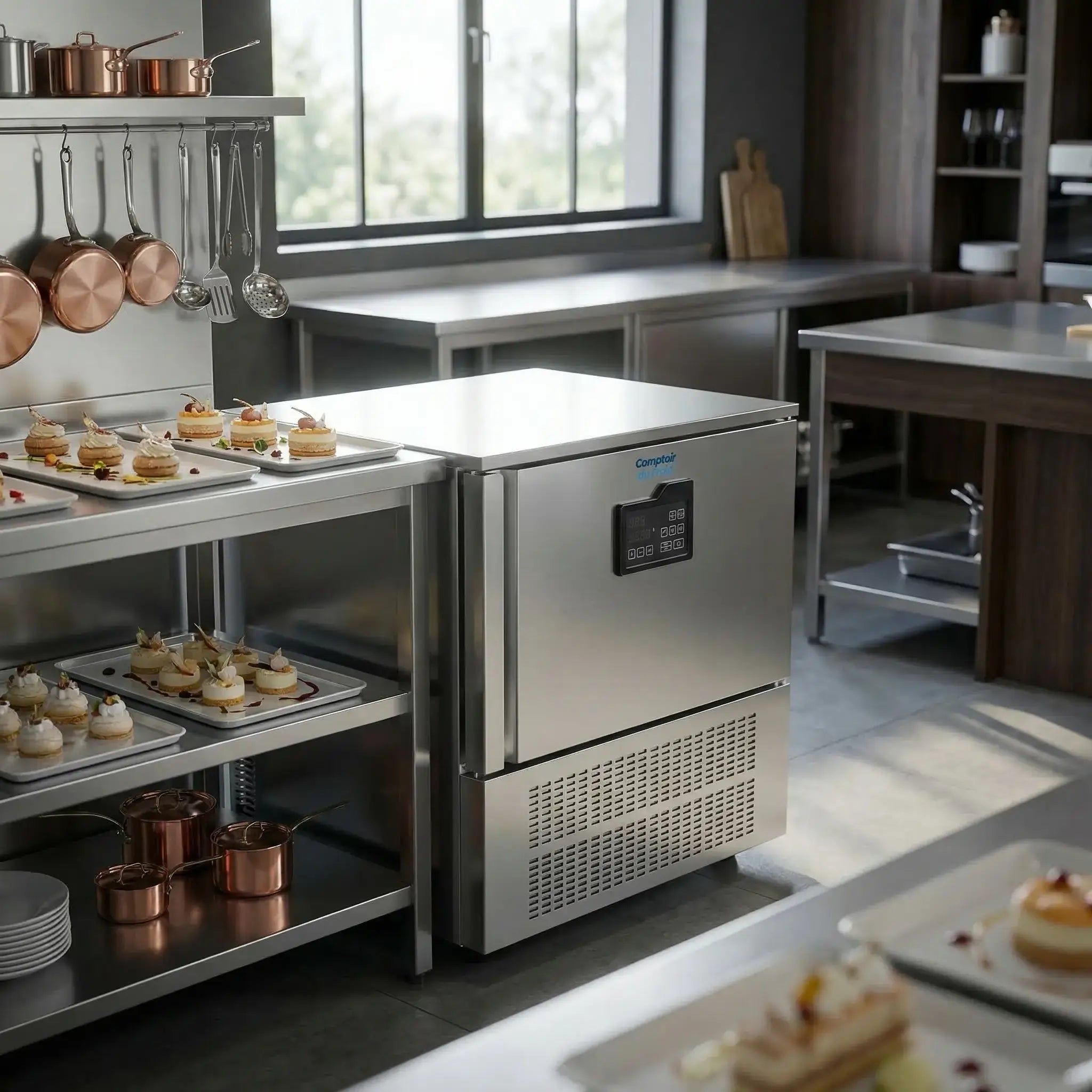
- Formato coerente per una piccola struttura, uno snack bar o una cucina dai ritmi moderati
- Permette di rispettare il raffreddamento rapido senza improvvisare con il frigorifero di conservazione
- Buon punto di ingresso per conformarsi senza sovradimensionare l’investimento
Perché il raffreddamento rapido è un punto critico nell’HACCP?
Perché tra la fine della cottura e la temperatura di conservazione, il cibo attraversa una zona di pericolo microbiologico. Se questa fase dura troppo a lungo, il rischio di proliferazione batterica aumenta notevolmente.
Ecco perché il raffreddamento viene considerato un punto critico in molti piani HACCP. Una cella non serve solo per andare più veloci: serve per rendere questo passaggio tracciabile, ripetibile e difendibile in caso di ispezione.
Cosa rischia un ristoratore senza cella frigorifera?
Il vero rischio non è solo il controllo sanitario: è l’impossibilità di dimostrare che il raffreddamento è stato controllato. Senza attrezzature adeguate, ci si ritrova rapidamente in una zona grigia difficile da difendere.
| Situazione | Senza cella adattata | Con cella di raffreddamento |
|---|---|---|
| Raffreddare un piatto caldo | Tempo troppo lungo, metodo incerto | Raffreddamento rapido e misurabile |
| Impatto sulle celle frigorifere | Rischio di surriscaldamento dell’involucro esistente | Ciclo dedicato, senza disturbare il resto |
| Controllo DDPP | Giustificazione spesso fragile | Approccio molto più difendibile |
| Organizzazione produttiva | Cottura batch limitata e stressante | Produzione anticipata più pulita e sicura |
Verto: se si raffreddano regolarmente preparazioni cotte, la cella di raffreddamento non è un lusso. Sono le apparecchiature che trasformano un teorico obbligo sanitario in un processo realmente sostenibile.
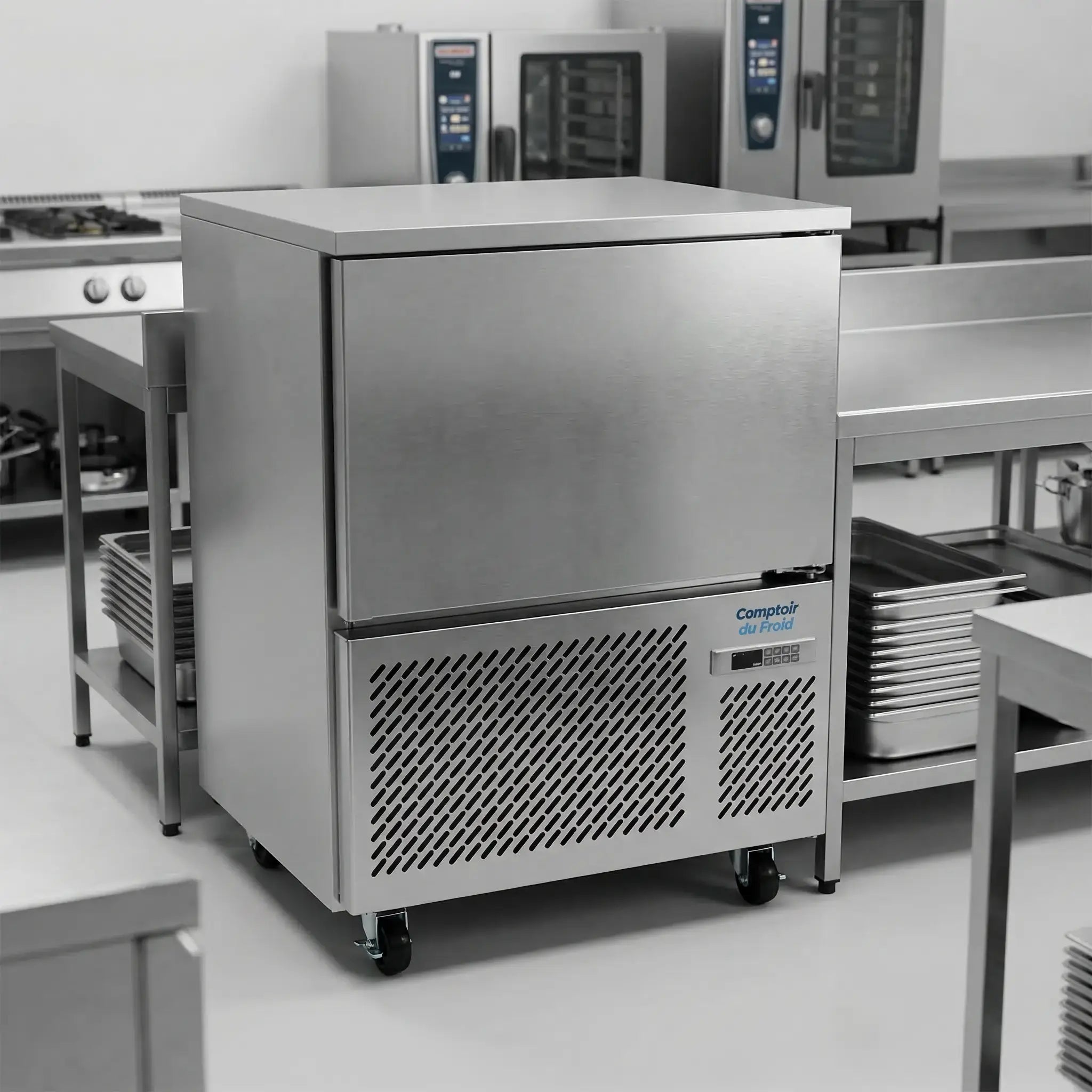
- Formato più coerente per un restauro con volume regolare e posizionamento reale
- Permette il raffreddamento senza bloccare l’intera organizzazione della cucina
- Buona scelta se la cella fa parte del flusso quotidiano e non per un uso occasionale
Al di là della conformità, perché queste apparecchiature diventano redditizie?
Una cella di raffreddamento non viene utilizzata solo per evitare un problema di salute. Migliora anche l’organizzazione, limita gli sprechi e rende il lavoro più prevedibile in produzione.
- Meno perdite: i preparati vengono raffreddati in modo pulito e possono essere conservati meglio.
- Migliore organizzazione: puoi cucinare in anticipo e alleggerire il carico di lavoro.
- Qualità più stabile: texture, tenuta e sicurezza sanitaria sono meglio controllate.
- Process more pro: in caso di crescita, si inizia su una base già sana.
Se stai ancora confrontando diversi approcci, puoi leggere anche il nostro articolo su la differenza tra un congelatore e un abbattitore così come la nostra guida su l’applicazione del protocollo HACCP con un abbattitore raffreddamento celle.
Hai bisogno di un modello coerente con la tua produzione?
Esplora la nostra selezione di celle di raffreddamento professionali per scegliere la capacità giusta in base al tuo ritmo, ai tuoi volumi e ai tuoi vincoli HACCP.
FAQ
La cella frigorifera è obbligatoria nella ristorazione?
Non sempre come apparecchiature denominate in bianco e nero, ma è obbligatorio il raffreddamento rapido degli alimenti. Nella pratica la cella diventa spesso fondamentale per soddisfare questa esigenza.
Perché un frigorifero classico non basta?
Perché non è progettato per abbassare rapidamente la temperatura delle stoviglie calde senza disturbare il resto della cella frigorifera.
Quali strutture necessitano maggiormente di una cella?
Chi cucina in anticipo, lavora a volume, cucina in lotti o manipola preparazioni sensibili a problemi di salute.
È meglio avere un modello piccolo o una cella con capacità maggiore?
Tutto dipende dal volume effettivo da raffreddare. Un modello piccolo può essere sufficiente per iniziare, ma devi rimanere coerente con la tua velocità di produzione e i tuoi contenitori GN.