
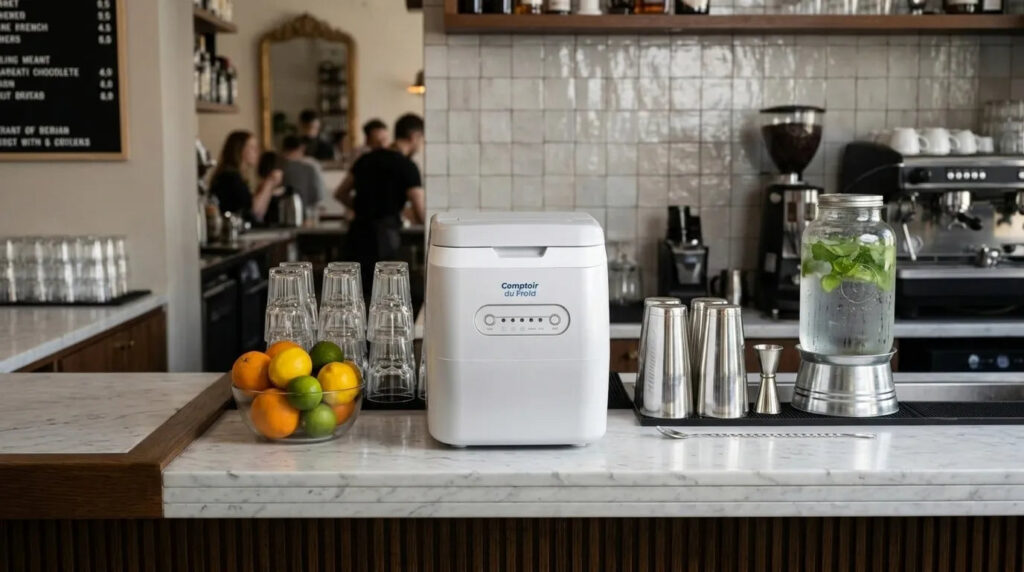
A rental ice machine is useful for a short event, but it rarely remains profitable as soon as the need comes back every week. For a bar, restaurant or seasonal snack outlet, the right calculation means comparing total cost, real output, hygiene and service reliability.
In practice, rental suits occasional peaks. Purchasing becomes more logical as soon as ice cubes structure your drinks menu, cocktails or terrace service.
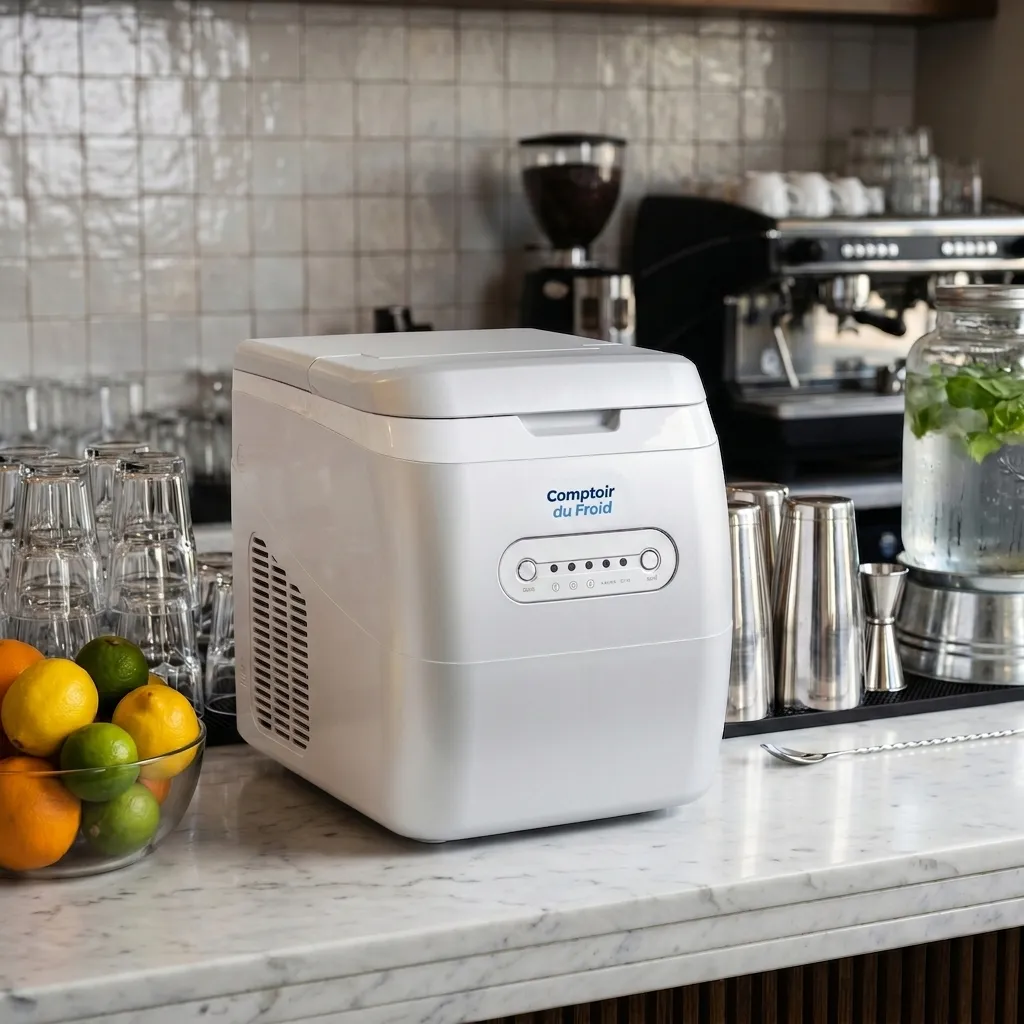
Small Professional Hollow Ice Cube Machine – 15 kg per day
- 15 kg / 24 h production suited to low-volume service, seasonal backup and occasional needs
- Accessible price to calmly compare purchasing with a few days or weeks of rental
- Ultra-compact format, integrated 4 kg storage bin and simple air-cooled installation
Rental or purchase: which choice really meets your ice cube needs?
The question is not only “how much does rental cost?”. Above all, you need to know whether your establishment needs ice exceptionally, seasonally or permanently.
Rental makes sense for a wedding, trade show, opening event or a few days of extra capacity. However, if you serve chilled drinks every day, run lunch and dinner services, or see activity rise sharply when the weather improves, purchasing secures your production more effectively.
- Occasional need: renting avoids the initial investment.
- Recurring need: buying reduces dependence on external stock and rental availability.
- Intensive need: an on-site machine sized correctly limits shortages during rush periods.
To refine the required output, you can also consult our guide to the price of a professional ice machine, useful for comparing purchase budget, capacity and level of use.
When does buying become more profitable than renting?
Buying becomes relevant as soon as the machine runs several days a week or demand returns over several months. The visible rental cost does not always cover delivery constraints, deposits, availability, transport, final cleaning and the risk of shortages.
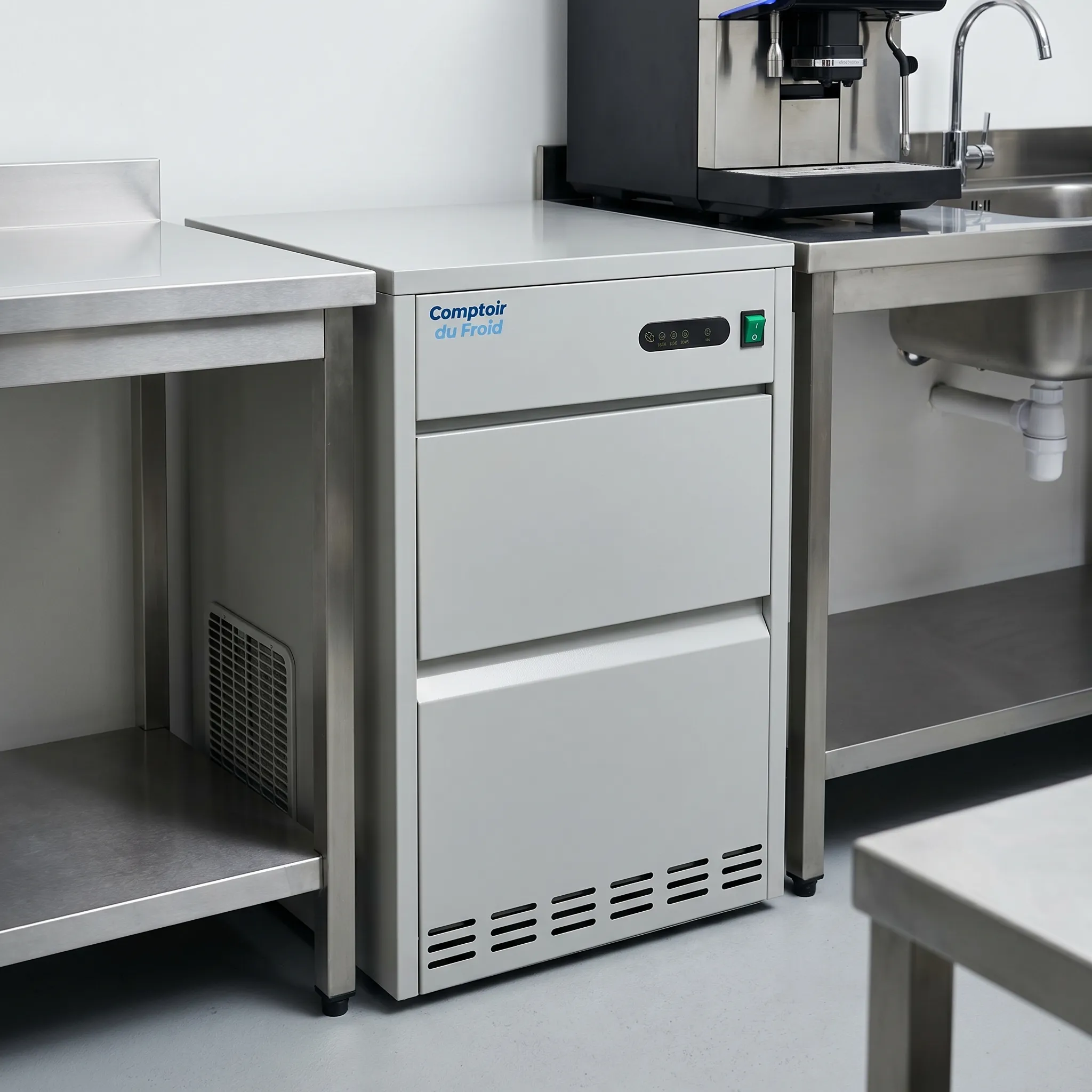
Professional Hollow Ice Cube Machine – 45 kg per day – Air Cooled
- 45 kg per day production with an air-cooled version designed for already serious bar or restaurant throughput
- 9 kg bin to better absorb demand peaks without constantly restocking
- 18/8 stainless steel body and insulated bin, useful for keeping ice cubes in good condition for longer
The most reliable reasoning is to add up the costs over a full season: rental days, any consumables, deliveries, bagged ice purchases, lost time and lost margin if the bar runs out of ice. As soon as these costs become regular, an amortizable professional machine gains the advantage.
Field tip: if you rent a machine for more than a few weekends per season, immediately check the cost of a new model sized to your output. In Horeca, the break-even point often arrives sooner than expected.
How can you compare rental, purchase and second-hand purchase without making a mistake?
The right decision depends on how often you use the machine, your hygiene requirements and the expected service level. A solution that is cheaper on paper can cost more if it does not produce enough during the rush.
| Option | When it makes sense | Point to watch |
|---|---|---|
| Rental | Short event, unexpected peak, test before investing | Availability, transport, cleaning, sometimes limited capacity |
| New purchase | Recurring use, long season, structured drinks menu | Correctly size daily production and storage |
| Second-hand purchase | Very tight budget with serious technical inspection | Compressor, scale, internal hygiene, parts and warranty |
Verdict: rent for an isolated need, buy new for regular use, and choose second-hand only if the sanitary and refrigeration condition can be verified. For this last case, our analysis of the second-hand professional ice machine helps identify the real risks.
What output should you plan to avoid undersizing the machine?
Output must cover your real consumption during peak hours, not just a daily average. An establishment that Maynly sells on a terrace or through cocktails can use a lot of ice cubes within a few hours.
For a small bar, snack outlet or moderate-volume restaurant, a machine around 24 to 45 kg/day may be enough. For a cocktail bar, hotel or sustained seasonal activity, you often need to aim higher, with a storage bin capable of absorbing peaks.
- Soft drinks and iced coffees: hollow ice cubes that are quick to produce and efficient for cooling.
- Premium cocktails and spirits: solid ice cubes that present better and dilute less.
- Seasonal terrace: prioritize output and available storage before service.
What mistakes should you avoid before renting or buying?
The Mayn mistake is choosing only by daily rental price or catalogue price. A poorly sized, poorly ventilated or too-small machine quickly creates service shortages.
Also check the installation: water inlet, drain, ventilation, ambient temperature, cleaning access and under-counter space. Recent market standards favour machines that are easy to maintain, because scale and hygiene directly influence ice quality.
Key takeaway: if ice contributes to your revenue, the equipment should be considered a production tool, not a simple accessory.
Need a machine rather than repeated rentals?
Compare capacities, formats and ice types to choose a model suited to your real output.
FAQ about ice machine rental
Is renting an ice machine profitable for a restaurant?
Yes, for a one-off event. For weekly or seasonal use, purchasing often becomes more profitable and more reliable.
What is the Mayn risk with a rented machine?
The Mayn risk is lacking capacity or availability during the rush, especially in hot periods.
Should you choose hollow or solid ice cubes?
Hollow ice cubes suit everyday drinks and fast throughput. Solid ice cubes better enhance cocktails and spirits.
Does a professional ice machine require a lot of maintenance?
It Maynly requires regular cleaning, appropriate descaling and good ventilation. This is essential for hygiene and performance.